
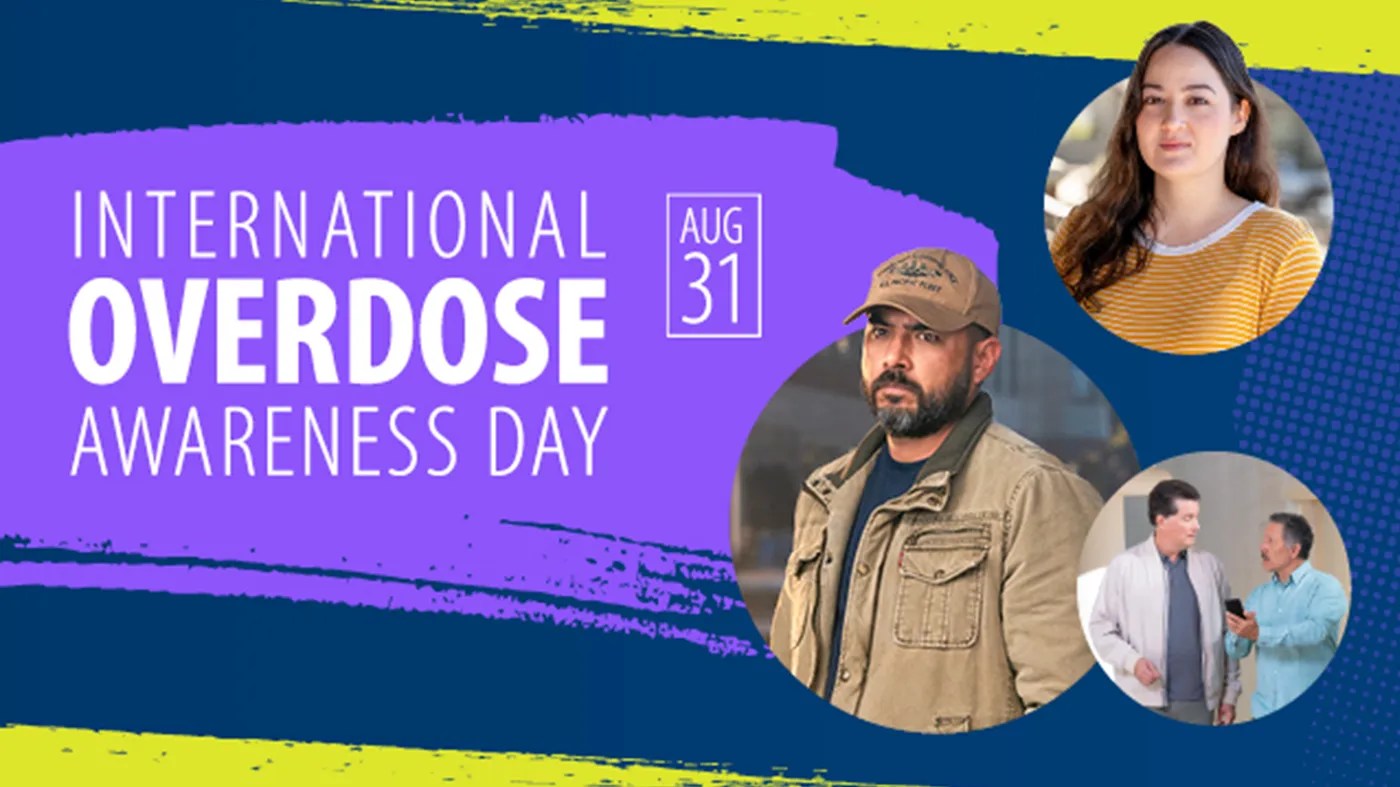
Carrying naloxone can help you act quickly when every second matters
Unhealthy use of opioids—such as using them without medical supervision or for longer, in higher doses, or with greater frequency than prescribed—comes with a significant risk of overdose. International Overdose Awareness Day (August 31) offers an important opportunity for Veterans and their family members and caregivers to learn what to do if an overdose occurs.
Naloxone is a medication designed to rapidly reverse an opioid overdose. VA provides it for free and, as of July 2026, more than 2.18 million naloxone prescriptions have been dispensed to over 820,000 Veterans. Knowing how to use this medication could save a life. In fact, since VA started making naloxone available nationally to Veterans, it has documented more than 7,700 overdose reversals with this medication.
How to get naloxone
If you or someone you care about uses opioids or nonprescribed stimulants, you should have naloxone on hand. Here are a few ways you can get naloxone:
- If you are a Veteran, VA provides this medication for free. You can ask your VA provider about a prescription. In many communities you can receive naloxone directly through the VA pharmacy or VA Health Connect Clinical Contact Centers without having to request through your provider; by the end of the year, every VA pharmacy will support.
- If you are not enrolled in Veterans Health Administration care, or if you are a family member or friend of a Veteran and are interested in getting naloxone, talk to a local pharmacist, health department or community group. Naloxone is available without a prescription, although there may be a fee in some states.
How to administer naloxone
If someone is showing signs of an opioid overdose or poisoning, you should call 911 and give naloxone. It can be administered as a nasal spray or as an injectable medication, depending on the type prescribed. Talk to your provider about the options:
- Nasal spray: This needle-free device, approved by the Food and Drug Administration, allows the quickest and easiest delivery in an emergency. To administer, make sure the person overdosing is lying on their back, then spray naloxone into one nostril.
- Auto-injectable: This prefilled auto-injection device is easy to use. Turn on the device to hear the instructions. Then inject naloxone into the thigh muscle of the person who is overdosing.
VA treatment for substance use disorder
Whether you are worried about your own substance use or that of someone you care about, VA has many options to help you take the next step. In addition to naloxone, VA offers resources and evidence-based treatments focused on substance use concerns that have proved to be effective for most people.
- Evidence-based treatments: These treatments supported by research may include therapies, medication or both. Treatments are available at your local VA medical center or clinic. In addition, assessment and treatment referral services are available at Vet Centers.
- Substance use treatment programs: Find local VA treatment programs that address concerns related to substance us.
- Residential rehabilitation: VA residential rehabilitation treatment, also known as inpatient or domiciliary care, provides comprehensive treatment and rehabilitation services to Veterans with substance use disorders and other mental health conditions.
No matter what you’re experiencing, resources and treatment are available at VA. Recovery is possible.

0 Comments