
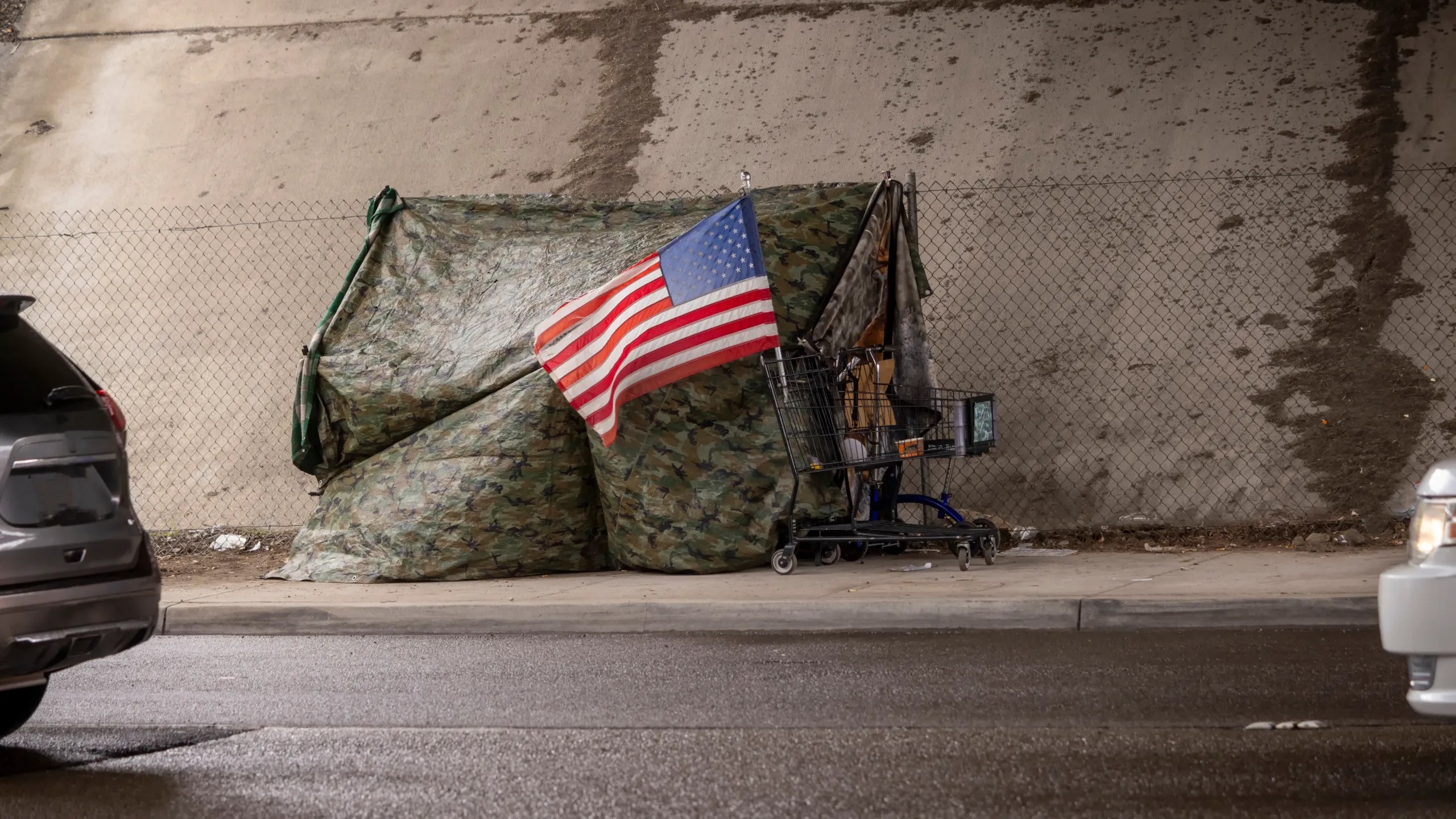
The VetResources Community Network (VRCN) gathered partners Sept. 18 for its latest Monthly Connect session, focusing on how communities can better support Veterans experiencing homelessness. The conversation centered on practical ways to connect Veterans with housing, healthcare and other essential resources—starting from the first moment of contact.
The session theme, “Connecting Homeless Veterans to Resources,” highlights how coordinated outreach, trusted relationships and strong referral networks can help Veterans find stability, recover and move toward long‑term housing.
VA’s Veterans Experience Office opened the discussion by recognizing the connection between homelessness, mental health, suicide prevention and barriers to care. Chief Veterans Experience Officer Lynda Davis emphasized the need for tailored, compassionate support.
“This is a topic that is very critical,” Davis said. “Everyone at-risk for, or experiencing homelessness, is different, and we need to be able to meet them where they are with the full range of services they may need.”
A toolkit to strengthen connection
Shawn Liu, national homeless program manager for VA’s Homeless Programs Office, introduced VA’s new Mental Health Connections toolkit. The resource helps frontline providers and community organizations recognize barriers to care, engage Veterans in supportive conversations, and connect them with mental health and substance use treatment.
The toolkit offers practical communication tips, motivation‑based engagement strategies and guidance for linking Veterans to VA services—local medical centers, Vet Centers and the Veterans Crisis Line.
Liu explained that Veterans experiencing homelessness often face trauma, chronic stress, financial hardship, transportation challenges and mental health or substance use concerns. For some, seeking help can feel overwhelming, especially if past experiences left them discouraged.
“Our job is to stay relentless… and keep that door open,” Liu said.
Partner spotlight: “Veterans Path to Hope”
Veterans Path to Hope, a nonprofit serving Northern Illinois and Southern Wisconsin, shared how its wraparound model helps Veterans move from crisis to stability. Executive Director Laura Franz and Program Coordinator Nancy Lawin described a comprehensive approach that includes housing assistance, counseling, food support, employment services and peer mentoring. With Veterans making up 73 percent of their staff, the organization’s support is rooted in shared experiences and understanding.
“There’s no wrong door,” Franz said. “We start wherever the Veteran is—whatever they say the issue is, that’s where we’re going to start.”
Lawin emphasized that prompt, dependable response is essential, especially when Veterans are in crisis. The organization aims to respond within 24 hours—and often much sooner—because early engagement can build trust and create momentum.
“Relationships built on trust form the foundation for change,” Lawin said.
Building stability beyond housing
The discussion also noted that while housing is a critical milestone, it’s just one part of a Veteran’s journey. Employment, training, peer support, healthcare and ongoing community connections help sustain long‑term stability.
Chris Lewis, president and founder of Vets to Drones, shared one example of support beyond housing. The organization offers free training for Veterans interested in careers in the commercial drone industry—helping them build skills, pursue new opportunities and achieve long‑term independence.
That shared commitment to connection and collaboration embodies how VRCN brings together VA, community organizations and local partners so no Veteran has to navigate a crisis alone.
Join VRCN
The next VRCN Monthly Connect is scheduled for Oct. 15. Partners interested in supporting Veterans and strengthening community connections are welcome to join and take part in future sessions.
Join VRCN to collaborate with other organizations committed to improving outcomes for Veterans and their communities.



0 Comments